Sound therapists use instruments like gongs, singing bowls and tuning forks to create vibrational healing experiences for individuals or groups. Organising sound baths, workshops and private sessions can involve a lot of planning and client communication. Many businesses benefit from support for Sound Therapy to streamline event booking, manage tickets and promote their offerings online.
How Sound Therapy Works:
- Sound waves create vibrations that resonate with the body’s cells and tissues, helping to release tension and blockages
- Specific sound frequencies encourage the brain to shift into states of relaxation, focus or creativity such as alpha or theta brainwave states
- Sound therapy is thought to clear energy blockages and resore balance within the body’s energy centres (chakras)
Types of Sound Therapy:
Tuning Fork Therapy: Uses calibrated tuning forks to apply specific sound frequencies to parts of the body or energy field
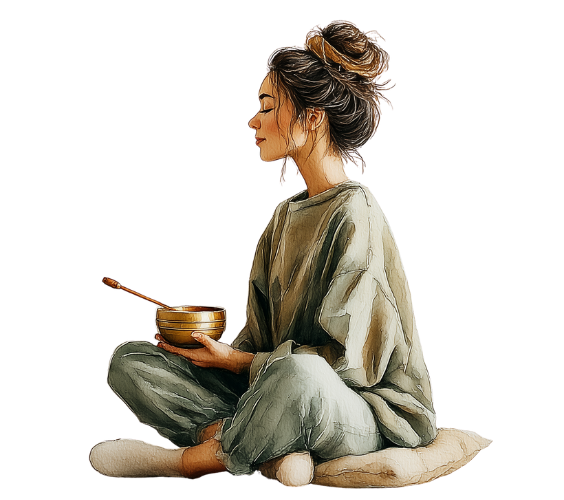
Singing Bowl Therapy: Involves Tibetan or crystal singing bowls which produce soothing tones and vibrations when played
Gong Baths: A meditative experience where participants are immersed in the rich, resonant sounds of gongs
Binaural Beats: Combines two slightly different frequencies in each ear to create a third frequency that influences brainwave activity
Vocal Toning: Uses sustained vocal sounds, chants or mantras to stimulate healing and relaxation
Music Therapy: Engages individuals in listening to or creating music to improve emotional and mental health
Benefits of Sound Therapy:
- Calms the nervous system, reduces cortisol levels and promotes relaxation
- Helps alleviate insomnia and enhances the quality of sleep by inducing a meditative state
- Alleviates chronic pain by reducing tension and promoting circulation
- Eases anxiety, depression and emotional blockages through soothing sound vibrations
- Deepens meditation and fosters a sense of connection to oneself and the universe