
What is Kinesiology?
Kinesiology practitioners assess muscle function and body systems to support performance, pain reduction and wellbeing. Sessions can be hands-on and require tracking of progress and protocols, so many practitioners look for support for Kinesiology that streamlines bookings, client notes and educational materials.
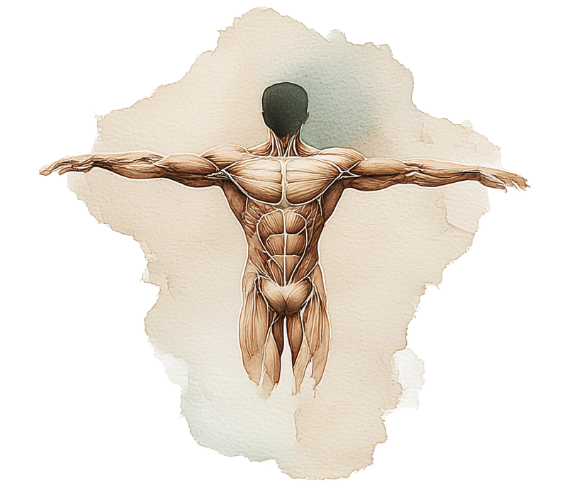
Applied Kinesiology (Holistic Therapy)
This is an alternative therapy that uses muscle testing to assess health and energy imbalances within the body. Practitioners believe that physical, emotional and chemical stressors can disrupt the body’s energy flow, which can be identified and corrected through specific techniques.
Key Concepts:
- Muscle Testing: A diagnostic tool where muscles are manually tested to detect stressors or imbalances
- Triad of Health: Focuses on the interconnection of physical, emotional and biochemical health
- Correction Techniques: Includes massage, acupressure, nutrition advice or energy balancing to restore harmony
Benefits of Kinesiology:
- Improved Mobility: Addressed muscle weakness or joint instability
- Pain Relief: Reduces discomfort from chronic pain and injury
- Stress Reduction: Identifies and alleviates emotional and physical tension
- Holistic Health: Considers the body as an interconnected system, promoting overall wellbeing
- Injury Prevention: Helps identify imbalances before they lead to injury
Conditions Treated:
- Back, neck and joint pain
- Stress related disorders
- Sports injuries
- Postural imbalances
- Emotional challenges like anxiety or fatigue